Master Key Systems
Running a business in Closter — whether it's a retail shop along Piermont Road, a medical office near the borough's center, or a multi-unit property — means managing who can access what, and when. A professionally designed multi-level keying system gives you that control without the chaos of managing dozens of individual keys. Instead of every employee carrying a bulging keychain and every manager hunting for the right key in an emergency, a single, structured hierarchy puts the right access in the right hands from day one.
Open 24 hours, 7 days a week · Licensed, bonded & insured
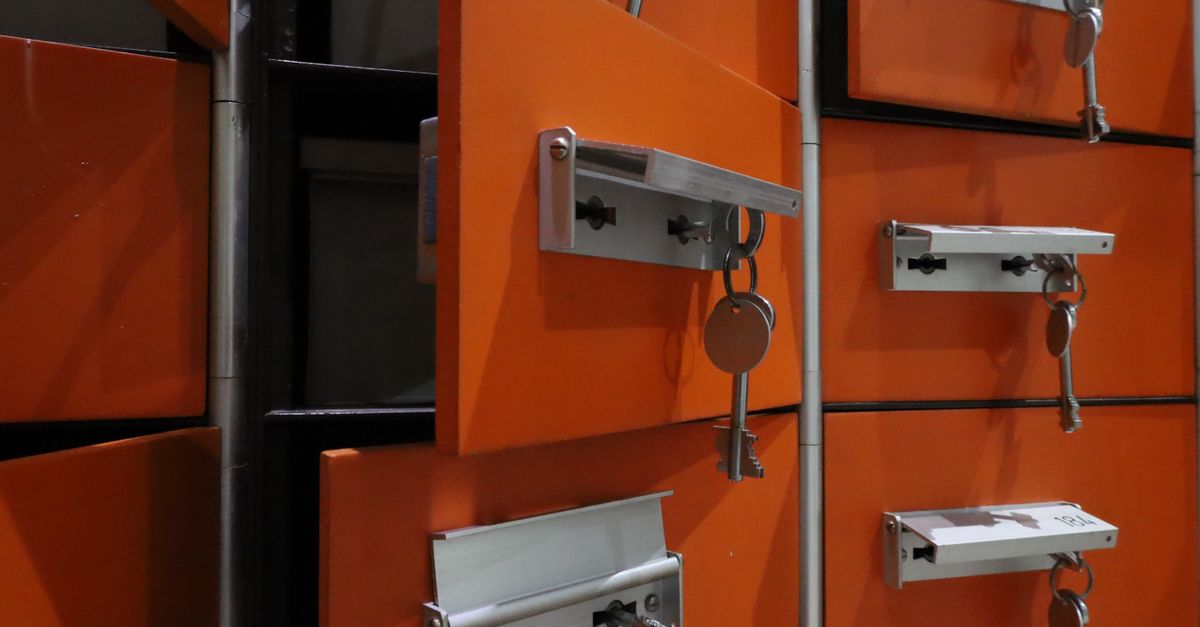
At Closter Locksmith, our experienced, insured technicians design and install keying systems tailored to the real-world layout of your building and the actual roles of your team. We come to you — no need to leave your property unattended or haul hardware across town. Whether you need a straightforward two-level setup for a small staff or a complex grand master configuration spanning multiple suites, we walk you through every option, confirm an exact up-front price before any work begins, and complete the installation with damage-free techniques wherever the hardware allows. Reach us any time at (201) 581-7983 — we answer 24/7.
What we do
Available 24/7
Day, night, weekends and holidays — a real local locksmith answers and rolls a fully-stocked van.
Fast local response
Based in Closter, we reach the Closter area in well under an hour.
Insured & background-checked
Vetted technicians, up-front pricing, and no surprise add-ons when we arrive.
Damage-free entry
We pick and bypass locks the right way, so most lockouts are solved without drilling anything.
How a Master Key System Actually Works — and Why the Hierarchy Matters
A keying hierarchy is built in tiers. At the base level, a change key (sometimes called a staff key) opens only a single lock — a specific office door, storage room, or utility closet assigned to that employee. One tier up, a master key opens every lock within a defined group, such as all the doors on a single floor or within one department. Above that, a grand master key can open every lock across the entire building or property. For ownership of multiple locations along a corridor like Closter's commercial district, a great grand master can span buildings entirely. The mechanical magic lives inside the pin tumbler or disc mechanism of each lock: additional 'master wafer' cuts allow two different key bites to operate the same cylinder without either key being a copy of the other. This means a manager's key and a staff member's key are genuinely different keys — they just share a carefully engineered relationship inside the hardware.
The practical result is accountability. When something goes wrong in a restricted area, you know exactly which key tier had access. When an employee leaves, you re-key only the cylinders that individual's change key operated — the rest of the hierarchy stays intact. Our locksmith technicians map this hierarchy on paper with you before a single cylinder is touched, so there are no surprises and no gaps in coverage once the system is live.

Designing a Master Key System for Your Closter Property
Every building has a different footprint, and every business has a different org chart. A three-employee boutique on Closter Plaza does not need the same architecture as a 20-room medical practice with front-desk staff, nurses, administrators, and a practice owner. Our technicians start by walking the property with you — documenting every door, every lock, and every access requirement. We note which areas need to be restricted to all staff (a server room or drug storage, for example), which areas managers need to reach without calling ownership (supply closets, break rooms), and which doors ownership must be able to open under any circumstance. From that walk-through we draft a keying schedule: a written map of every cylinder in the system, which tier it belongs to, and how many physical keys will be cut at each level.
Hardware matters here. We work with commercial-grade cylinders from manufacturers like Schlage and other high-security lines that are engineered to support multi-level keying without compromising pick resistance or durability. If your existing locks are too worn or the wrong format to be re-keyed into a hierarchy, we'll tell you plainly — and we'll explain which replacement options make sense for your door prep, frame type, and usage volume before you commit to anything. Pricing depends on factors like the number of cylinders involved, the lock grade and hardware brand selected, the complexity of the keying levels, and any travel involved within the Closter area — and we confirm the full quote before work begins.
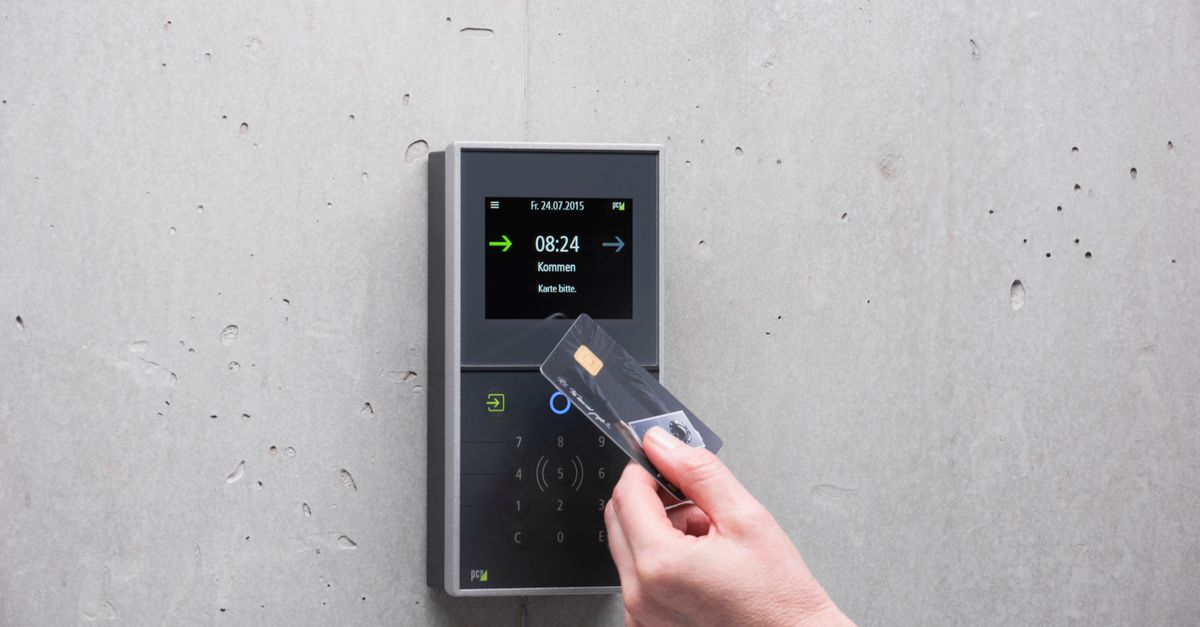
Staff, Manager, and Owner Access — Putting the Right Key in the Right Hand
The three-tier model — staff, manager, owner — is the most common starting point for small and mid-sized businesses, and for good reason. Staff-level change keys enforce boundaries without making employees feel surveilled; they simply can't open doors they have no reason to open. Manager-level master keys allow supervisors to handle day-to-day operations — unlocking the office in the morning, accessing shared storage — without needing to bother ownership for routine tasks. Owner-level grand master keys provide full override capability for emergencies, audits, or after-hours situations. For properties in Closter with multiple tenants or departments, we can also introduce a sub-master layer between staff and manager, grouping certain rooms (say, all exam rooms versus all administrative offices) under their own intermediate key before those groups roll up to the full master.
Beyond three tiers, we also design and install systems that incorporate restricted keyways — a feature that prevents unauthorized key duplication at a hardware store. With a restricted keyway, copies of your staff or manager keys can only be cut by our locksmith team, which means you maintain control of the key population over time. This is especially valuable for businesses with staff turnover or properties with multiple tenants who change periodically. Call us at (201) 581-7983 any time — our 24/7 availability means an after-hours ownership emergency never leaves you locked out of your own hierarchy.
Maintenance, Re-Keying, and Keeping Your System Secure Over Time
A keying hierarchy is only as strong as its upkeep. The most common vulnerability isn't a picked lock — it's an untracked key that left the building with a former employee. Our locksmith technicians advise every client to maintain a key log: a simple record of which physical key is assigned to which person and at which tier. When someone leaves, we re-key the affected cylinders, issue a new change key for the incoming employee, and verify that the master and grand master levels still function correctly. Because we're mobile and serve the Closter area directly, this is a quick service visit rather than a project.
Cylinders also wear over time, especially in high-traffic doors. A worn cylinder that once operated cleanly can develop false sets — meaning keys start to feel inconsistent or occasionally bind. We inspect cylinder condition during any service call and flag wear before it becomes a lockout. If you're expanding your Closter business into additional space, adding a new suite, or merging two separate offices, we can extend an existing keying architecture rather than starting over — saving time, reducing hardware costs, and preserving the key hierarchy your team already knows. Scheduled maintenance visits are available, and any call — day or night — reaches a live, trained technician at (201) 581-7983.
Frequently asked questions
Answers to what our customers ask most. Still unsure? Just call.
How many levels can a keying system realistically support?+
Most commercial properties operate well with two to four levels: change key, master key, grand master, and occasionally a great grand master for multi-building ownership. Theoretically, pin tumbler cylinders can support more levels, but each additional tier adds mechanical complexity and reduces the number of unique change key combinations available in the system. Our technicians will tell you honestly when an additional tier adds genuine access-control value versus when it just adds complication — and we design accordingly.
Will installing a master key system require replacing all my existing locks?+
Not necessarily. Whether your current locks can be re-keyed into a hierarchy depends on their brand, cylinder format, condition, and keyway. Many commercial-grade Schlage and similar cylinders can be re-pinned with master wafers to join a new system without replacing the lockset hardware entirely. We assess every existing cylinder on-site during our walk-through and let you know upfront which ones are compatible and which would need replacement — so there are no surprise costs mid-project.
What factors affect the price of installing a keying system for my Closter business?+
The final quote depends on several variables: the number of cylinders that need to be re-keyed or replaced, the grade and brand of hardware selected, the number of keying tiers required, how many physical keys need to be cut at each level, and travel distance within the service area. We assess all of these on-site and confirm an exact price before any work begins — you'll never receive a bill for more than what was agreed upon.
How do restricted keyways prevent unauthorized key copies?+
A restricted keyway uses a proprietary key blank profile that is not stocked by general hardware stores or typical key-cutting kiosks. Only authorized dealers — in this case, our locksmith team — possess the blanks and the cutting authority to duplicate keys in that keyway. This means even if a staff member takes their change key to a hardware store, a working copy cannot be made. It's a straightforward way to maintain long-term control over who holds access without changing cylinders every time personnel changes occur.
What happens when an employee with a master key leaves the company?+
When a manager or other master-key holder leaves, we re-key the cylinders that key operated so the old key no longer functions. Because of how keying hierarchies are engineered, re-keying one tier often doesn't require touching every lock in the building — only the ones within that master's scope. We also issue new keys at the appropriate level for the incoming replacement and update the keying schedule document so your records stay accurate. This is a routine service call, and our 24/7 availability means it can happen on your schedule, not just during business hours.
Can you add new doors or suites to an existing system without rebuilding from scratch?+
Yes, in most cases. If the original system was designed with expansion in mind — and ours always are — adding new cylinders to an existing hierarchy is straightforward. We simply cut the new cylinders to the correct bitting for their place in the tier structure and issue the appropriate keys. If you're expanding into adjacent space in your Closter building or adding a storage area or new office, a single service visit is usually all it takes to integrate the new doors seamlessly into the access-control architecture you already have.